
Meet the Fellow: Dr Pankaj Chauhan
Photochemical Carbene/Nitrene Transfer Reactions for the Stereoselective Synthesis of Fused-Strained Rings
Dr Pankaj Chauhan uses visible light to make chemical synthesis more sustainable. Read how his research could reduce harsh reagents and energy use, and what he enjoyed most about Bayreuth.
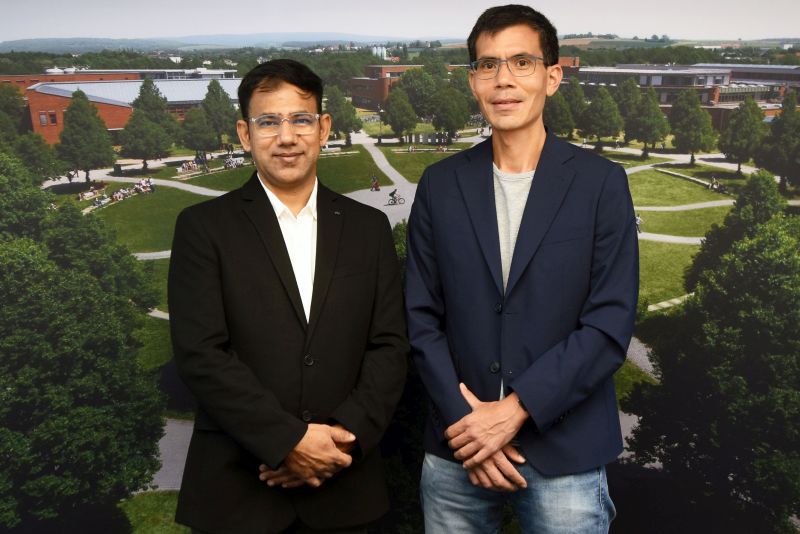
If you had to explain the research project of your Grant to the person you met in the elevator, how would you describe it?
Pankaj Chauhan: Our project aims to develop sustainable and environmentally friendly organic reactions by harnessing visible light as an energy source. In simple terms, we are exploring how light can be used to drive useful chemical transformations under milder and more sustainable conditions, reducing the need for harsh reagents and energy-intensive processes
What is in your opinion the future of your field, and in what way can research in your field contribute to meeting the urgent challenges of our time?
Pankaj Chauhan: In my opinion, there is tremendous potential for using visible light as a sustainable energy source to drive chemical reactions in a highly selective and efficient manner. As the world faces increasing energy and environmental challenges, the development of light-mediated chemical transformations can contribute significantly to more sustainable and energy-efficient chemical synthesis.
I believe that visible-light-driven chemistry will play an increasingly important role in the future of the pharmaceutical, agrochemical, and chemical industries by enabling cleaner reaction processes, reducing the dependence on harsh reagents and energy-intensive conditions, and facilitating the development of more selective and sustainable manufacturing methods. Research in this area can therefore contribute to addressing both the energy and sustainability challenges of our time.
What does international research mobility mean to you?
Pankaj Chauhan: For me, international research mobility means bringing together researchers from different scientific and cultural backgrounds to exchange ideas, share expertise, and learn from complementary areas of research. It creates opportunities to approach scientific problems from different perspectives and to develop collaborations that may not be possible within a single institution or research environment. Ultimately, such mobility can lead to meaningful scientific contributions, long-term collaborations, and a stronger global research community.
What was your personal experience during your stay?
Pankaj Chauhan: It was a wonderful and enriching experience during my stay in Bayreuth. The University of Bayreuth, being one of the younger universities in Germany, has a very dynamic and welcoming academic environment. What I liked most was the opportunity to interact with students from different countries and work alongside highly enthusiastic and supportive faculty members. The international atmosphere made my stay particularly enjoyable and broadened my perspective beyond the research environment.
I also found Bayreuth to be a beautiful and charming city, with excellent food and a relaxed atmosphere. My favourite spot was the city centre, where I particularly enjoyed spending time and having a coffee. It became one of my favourite ways to unwind and experience the character of the city.
Have you noticed any differences or similarities between UBT and your home university?
Pankaj Chauhan: Yes, I have noticed several differences, particularly in terms of cultural diversity and the international character of the institutions. At my home university, the student population is predominantly Indian, whereas UBT has a much more international student community, with greater diversity among both students and, to some extent, faculty members. This international environment provides greater opportunities for cross-cultural interaction and exchange of ideas.
At the same time, I also noticed some important similarities. Both institutions are relatively young and have significant potential to develop into leading centres of education and research. I believe that their strong academic environments, research focus, and scope for international collaboration provide a solid foundation for further growth and global engagement.