
Starter and Booster Grants
Starter Grants 2026
Dr. Aimée Bastidas Ponce Instituto de Biotecnología, Universidad Nacional Autónoma de México (UNAM), Cuernavaca, México
Project: Analyzing the effects of plant-based bioactive compounds on the development and function of pancreatic beta-cells.

In Mexico, there is a wide and rich variety of plants that have been traditionally and empirically used as "treatment" for diseases as diabetes. Some of these plants have reported anti-diabetic activity testing in animal models, however, there is still limited information about the specific bioactive compounds responsible for the effect and their mechanisms of action. Exploring the use of these plants as therapeutic alternatives could offer innovative solutions that complement or improve current treatments. We aim to characterize extracts metabolites obtained from endemic plants from Mexico using complementary analytical techniques. We will also evaluate their direct effect on insulin-secreting beta-cells, during their development and on their function, using cell lines and primary cultured islets. This multidisciplinary project seeks to provide scientifically validated information for plant-based therapeutic alternatives.
Host: Dr. Maria Fitzner-van Bömmel, Professorship of Food Metabolome.
Professor Dipayan Biswas University of South Florida, Tampa, USA
Project: Can We Trust Artificially Intelligent Technologies? Research on the Implementation of AI in Consumers’ Everyday Experiences, with Focus on Sensory Aspects of AI Technologies
Artificial Intelligence (AI) technologies are being increasingly used in consumers' daily activities. Forming trust and relationships with AI agents are becoming increasingly important. While there are several dimensions of AI agents, we specifically focus on the sensory aspects of AI agents, and especially the auditory aspects, and how that influences consumer judgments, behavior, and interactions with AI agents.
Host: Professor Christian Germelmann, Chair of Marketing & Consumer Behavior
Dr. Pankaj Chauhan Indian Institute of Technology Jammu, Jammu, India
Project: Photochemical Carbene/Nitrene Transfer Reactions for the Stereoselective Synthesis of Fused-Strained Rings
The selective synthesis of strained fused-ring systems is a major frontier in organic chemistry, as these rigid, three-dimensional frameworks are key motifs in natural products, pharmaceuticals, and functional materials. This project aims to establish the visible-light-driven photochemical transformations for the stereoselective synthesis of fused 3- and 4-membered rings via carbene and nitrene transfer reactions under mild, sustainable conditions. Using photoexcited diazo, azide, and iminoiodinane precursors, transient intermediates will be harnessed for cycloaddition or cascade ring formation. Integration of photocatalysis, chiral catalyst design, and computational analysis will enable spin-state and stereochemical control. Mechanistic insights from spectroscopy and theory will guide the development of efficient, general strategies for constructing complex sp³-rich fused-ring scaffolds relevant to drug discovery and materials chemistry.
Host: Professor Rene Koenigs, Chair of Organic Chemistry II
Interview: Meet the Grantee Pankaj Chauhan
Dr. Sajad Farahani Farhangian University, Shahrak Omid, Iran
Project: The interplay between microplastic pollutionand acanthocephalan parasite ecology in gammarids
This project investigates the interplay between microplastic pollution and acanthocephalan parasite ecology in gammarids. It tests if microplastics disrupt parasite-induced behavioral manipulation, altering host phototaxis, rheotaxis, and predation risk. It also assesses if microplastics increase host susceptibility to infection by compromising immunity or acting as novel transmission vectors. The results will provide crucial preliminary data for a DFG grant, exploring how microplastics modulate host-parasite interactions with consequences for individual fitness and ecosystem processes.
Host: Professor Christian Laforsch, Chair of Animal Ecology I
Dr. Mariano Heyden Monash University, Caulfield (VIC), Australia
Project: Neurodivergent Strategic Leadership in Digital Innovation Ecosystems
This project advances strategic management theory by integrating neurodiversity into upper echelons and attention‑based perspectives. While traditional research assumes neurotypical cognition, digital transformation contexts may favour distinct neural architectures. We theorise “attentional ar-chitectures” as hidden executive traits, drawing on monotropic versus polytropic attention patterns, to explain how neurodivergent leaders allocate focus, process information, and drive corporate entrepreneurship. Using videometric analysis of European CEOs and quantitative modelling of innovation outcomes, the study will identify markers of neurodivergent brain wiring and link them to digital transformation success. In collaboration with Professors Ricarda Bouncken (and potential extensions with Matthias Baum), this research pioneers methodological innovation and offers new in-sights into how neurological diversity enhances corporate entrepreneurship and digital innovation ecosystems.
Host: Professor Ricarda Bouncken, Chair for Strategic Management and Organisation
Dr. Florence Nworah Federal Republic of Nigeria, Nsukka, Nigeria
Project: Anti-inflammatory properties of Senna mimosoides fraction/s and its isolated constituent/s on activated human monocytes and macrophage cells

Nutrition-related metabolic disorders, including type-2-diabetes, liver disease and cardiovascular diseases, kidney failure, and cancers, are responsible for the high mortality rate recorded worldwide. In inflammation, cells such as macrophages, lymphocytes, and their associated mediators, like cytokines, free radicals, are activated. Toll-like Receptors (TLRs) recognize lipopolysaccharide (LPS), lipoteichoic acid (LTA), heat shock proteins, cholesterol crystals, and self-nucleic. THP-1 and U937 are human monocytic cell lines widely used to determine the activities of human monocytes and macrophages. Anti-inflammatory drugs are usually associated with adverse effects such as ulcers, stroke, hypersensitivity, and kidney failure. This has warranted the use of plant phytochemicals as a prolific source of useful drugs. This research, therefore, is aimed at determining the anti-inflammatory properties of S. mimosoides extracts and their isolated constituents.
Host: Janin Henkel-Oberländer, Chair of Nutritional Biochemistry
Dr Adeyinka Odebode Bishop Barham University College, Uganda
Project: Diversity and Ecophysiology of Plastic-Degrading Fungi in Ugandan Dumpsites
Plastic waste is a major environmental issue, particularly in developing countries like Uganda, where waste management systems require attention. This study aim to investigate the largely unstudied microbiological diversity in the terrestrial plastisphere, with a focus on fungal communities in Ugandan dumpsites. As the diversity of fungi in Uganda has not been well-explored, the project is expected to reveal significant taxonomic novelty and may lead to the formal description of new fungal species.
Using DNA barcoding and ecophysiological tests, this research will identify fungi capable of plastic degradation, shedding light on their ecological roles and unique traits that enable them to thrive in plastic-contaminated environments. By fusing applied microbial diversity research with taxonomic study, this project will enhance our understanding of how fungi contribute to the biological turnover of plastic waste.
Host: Professor Claus Bässler, Chair Ecology of Fungi and Jr-Professor Meike Nicole LeiskeJuniorprofessorship for Sustainable and Functional Polymers
Dr. Kavita Pandey Centre for Nano and Soft Matter Sciences, Bengaluru, India
Project: Graphitization Pathways and Ion Storage Microenvironments in Biomass Derived Carbons for Na-ion and Li-ion Batteries

This Starter Grant tackles key challenges in sustainable energy storage by converting biomass-derived hard carbons (from pine needles and invasive woody shrubs) into optimized, partially graphitized anodes for sodium-ion and lithium-ion batteries. Using low-temperature Fe-catalyzed and K-assisted graphitization, the project targets improved structural ordering, tailored porosity, and enhanced conductivity. Advanced operando and in situ solid-state NMR spectroscopy, supported by Raman spectroscopy, XRD, TEM, and electrochemical methods (GITT, EIS), will elucidate ion-storage behaviors and mechanisms. The work promotes circular economy principles by valorizing waste biomass, supports sustainability goals, and strengthens Indo-German scientific collaboration. Results will underpin future joint research, boosting battery performance, reproducibility, and scalability.
Host: Professor Francesco Ciucci, BayBatt and Dr. Helen Grüninger, BayBatt
Professor Bernardo Rodrigues University of Pretoria, Pretoria, South Africa
Project: Construction of Self-Dual Codes and PBIBDs from Rank-3 Actions of Finite Primitive Permutation Groups
Information theory and coding theory underpin modern digital infrastructure, ensuring reliable transmission, robust storage, and secure communication. We propose a balanced, high-impact collaboration between the University of Pretoria (UP) and the University of Bayreuth (UBT) to develop new algebraic and combinatorial constructions of self-dual codes and partially balanced incomplete block designs (PBIBDs) arising from rank-3 permutation group actions. The methodology integrates algebraic coding theory, modular representation theory, association schemes/design theory, and high-performance computer search (Meataxe submodule lattices; Kramer--Mesner, ILP, exact cover, isomorph rejection). Target families include binary self-dual codes as submodules of the permutation modules defined by the natural rank-3 actions of the orthogonal groups PO^+(2m,q), PO^-(2m,q) or \Omega(2m+1,q), MRD codes over quasifields/semifields, and q-analog designs.
Host: Professor Alfred Wassermann, Chair of Mathematics and Didactics
Matthew Flinders Professor Youhong Tang Flinders University, Tonsley, Australia
Project: Self-reporting mechanoluminescent thin-ply plates for hydrogen storage tank monitoring
This project aims to develop self-reporting fibre reinforced thin-ply plate composites enabling autonomous micro-damage detection for enhanced safety and reliability of critical structural components such as hydrogen storage tank. New mechanochromic fluorescent materials with high sensitivity and contrast will be created utilizing the unique aggregation-induced emission luninogens. This work will produce next generation smart composites and enable significantly improved structural integrity and service life, overcoming current constraints of in-situ monitoring and early detection of damage. It will benefit Germany and Australia's high value-added industry such as aerospace by providing robust, fluorescence-based autonomous sensing capability.
Host: Professor Holger Ruckdäschel, Chair of Polymer Engineering
Dr. Aretha Teckentrup University of Edinburgh, Edinburgh, Scotland
Project: Kernel methods for inverse problems
The aim of this proposal is to initiate a collaboration between Aretha Teckentrup (University of Edinburgh, the applicant) and Holger Wendland (University of Bayreuth, the host) on kernel methods for inverse problems. The project will combine the complementary strengths of the applicant and the host on inverse problems and Gaussian processes, and radial basis functions and approximation theory, respectively, and aims to derive a bespoke convergence theory for kernel methods used as surrogate models in inverse problems. This will enable the development of goal-oriented computational methods to solve inverse problems accurately and efficiently, in applications including climate modelling and medical imaging.
Host: Professor Holger Wendland, Department of Mathematics
Dr. Lenka Vitkova Queen's University, Czech Republic
Project: Protein-based electrospun scaffolds for skeletal muscle tissue engineering – a study of aptamer effects
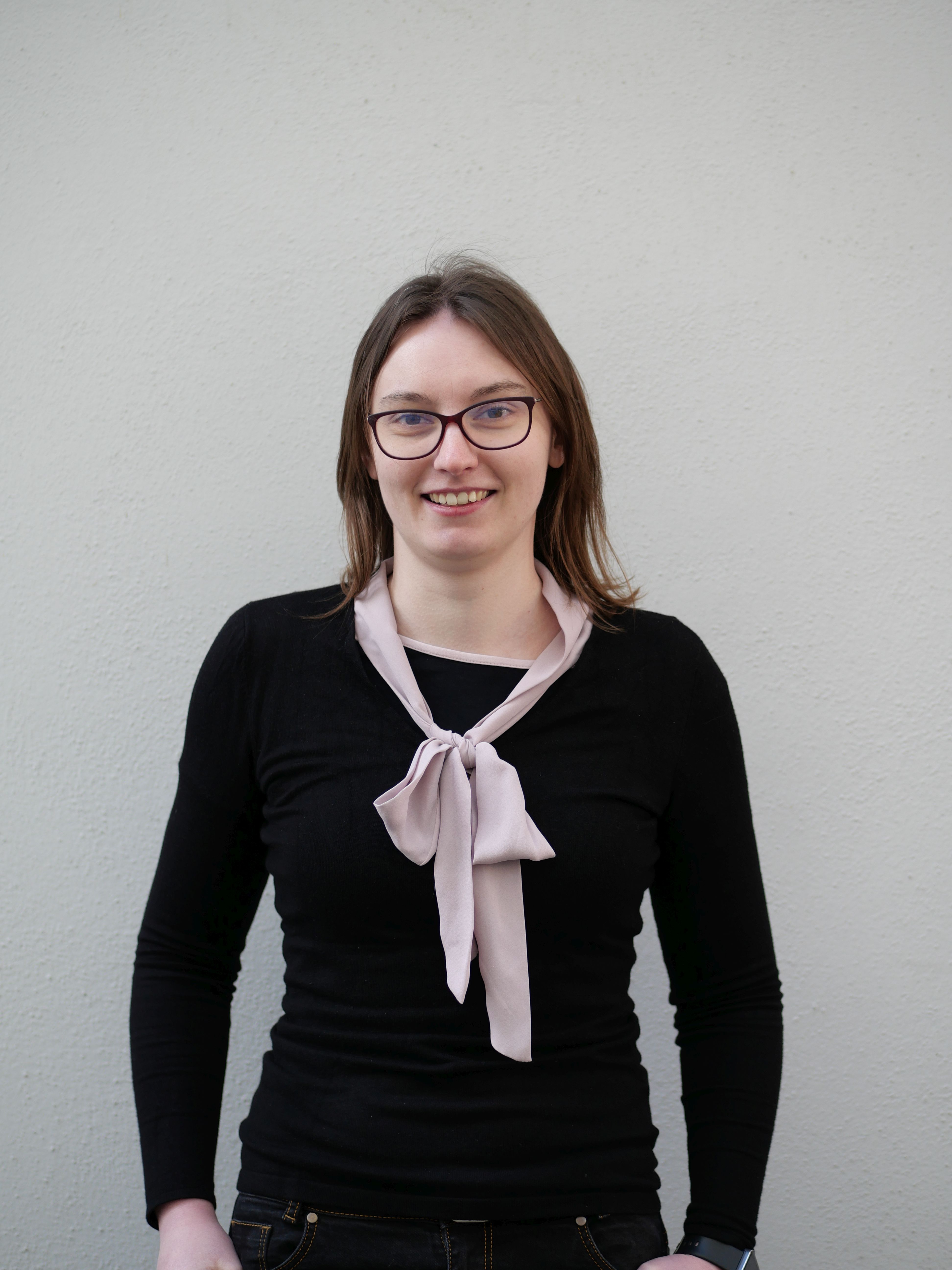
The project aims to prepare aptamer-modified protein composite fibers used as a tissue engineering platform to systematically study how scaffold conductivity, topography, and biochemical cues act alone and in synergy to drive myocyte maturation. In the frame of the project, the Humenik group’s aptamer-based nanohydrogel technology enabling targeted binding and release of biologicals, will be complemented by the protein processing researched in Natural nanocomposites group at Queen’s University and conductive graphene nanomaterials developed at Tomas Bata University in Zlin. The work leverages Hybrid Materials group in Bayreuth and builds a network with Queen’s and TBU, paving way towards future joined EU and NSERC fundings. The immediate outcomes include an optimized, sustainable scaffold platform, shared datasets and protocols, a manuscript and conference contribution.
Host: Professor Martin Humenik, Chair of Biomaterials
Dr. Anne Wolf All Souls College, University of Oxford, United Kingdom
Project: Rule by Law: The Rise of Authoritarian Legalism and Its Challengers
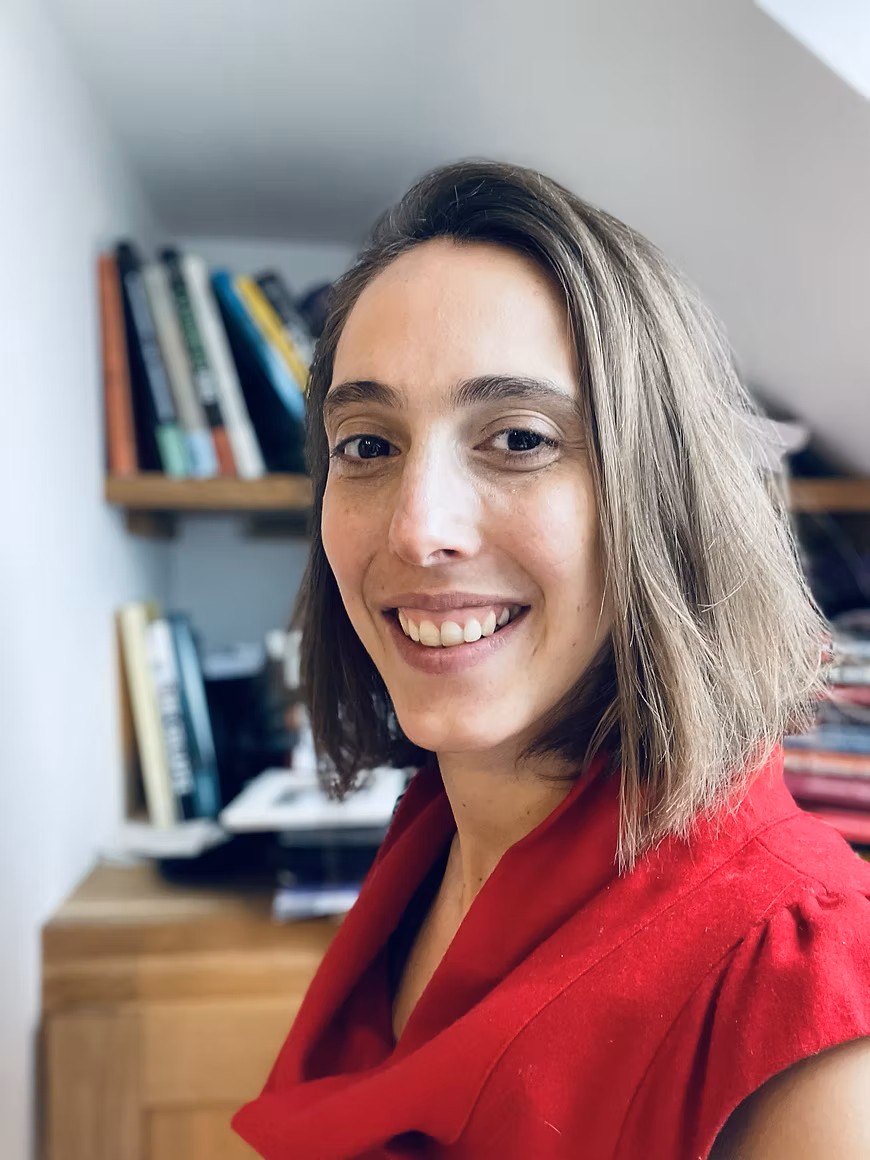
This project examines the global rise of authoritarian legalism—the use, abuse, and selective application of law to maintain power—and the conditions under which legal frameworks can be leveraged to challenge authoritarian regimes. Combining historical and contemporary perspectives, it traces continuities from Nazi Germany to modern regimes in Africa, East Asia, and the Middle East. Through archival research, interviews, and text analysis, the project investigates how authoritarian legalism functions, its interaction with international norms, and when legal challenges succeed or fail. Outputs—including peer-reviewed publications, a workshop, and a policy brief—offer new insights for strengthening rule-of-law practices, democratic resilience, and legal accountability worldwide. The University of Bayreuth provides an ideal institutional home, with its interdisciplinary expertise in historical sociology, law, and African studies, fostering innovative collaboration with lasting impact.
Host: Professor Eva Maria Ziege, Chair of Political Sociology
Professor Jens Zinn University of Melbourne, St Kilda, Australia
Project: Resilience at Times of Multiple Crises. An Interdisciplinary Research Initiative
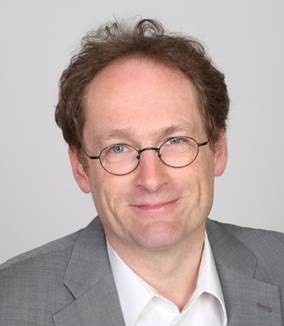
At times of multiple crises resilience has become a central concept for both understanding how societies adapt and inform political responses. Yet, its normative, cultural, and experiential dimensions remain underexplored. This initiative utilises a phenomenologically informed understanding of resilience that transcends technical, environmental, and administrative interpretations of the concept. The applicant aims to develop a conceptual framework that systematically connects evidence, imaginaries, and lived experience to advance social resilience. The planned collaboration explores how resilience can be a subjective experience, a social practice, and a collective orientation towards uncertain futures. The visit will initiate a broader research network, an international conference, and publications that address resilience beyond mere survival toward liveable, value-driven futures.
Host: Prof Sylvia Mayer, Department of English and American Studies